
Life Sentence #2
Probably a series, born of an attempt to set up a weekly challenge in which I post a single sentence of more than 500 words.

These Life Sentences can each be read independently, but if you do want to start from the start, here’s Life Sentence #1 from last week.
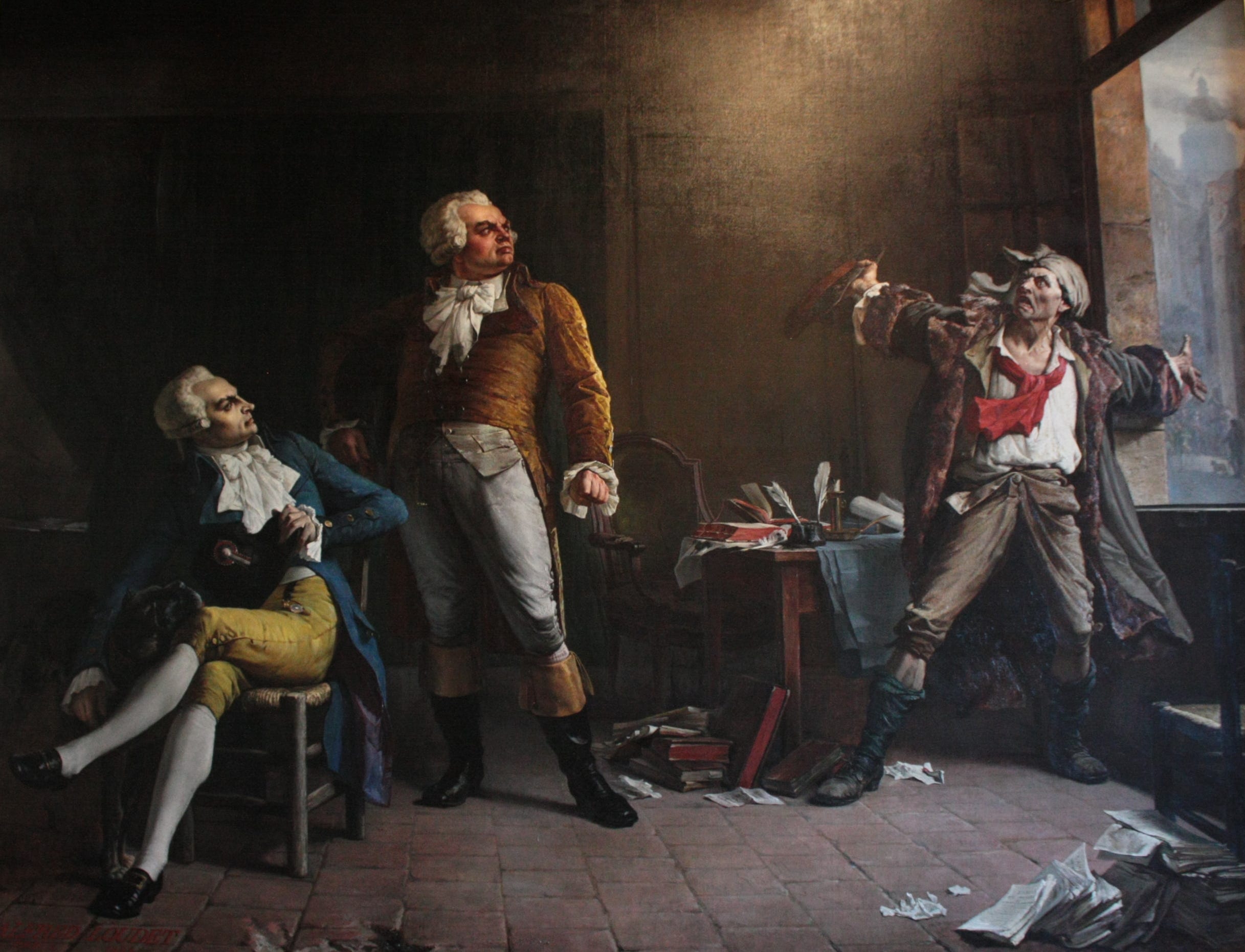
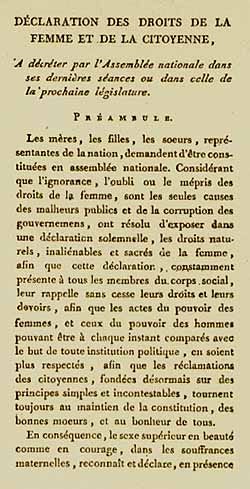
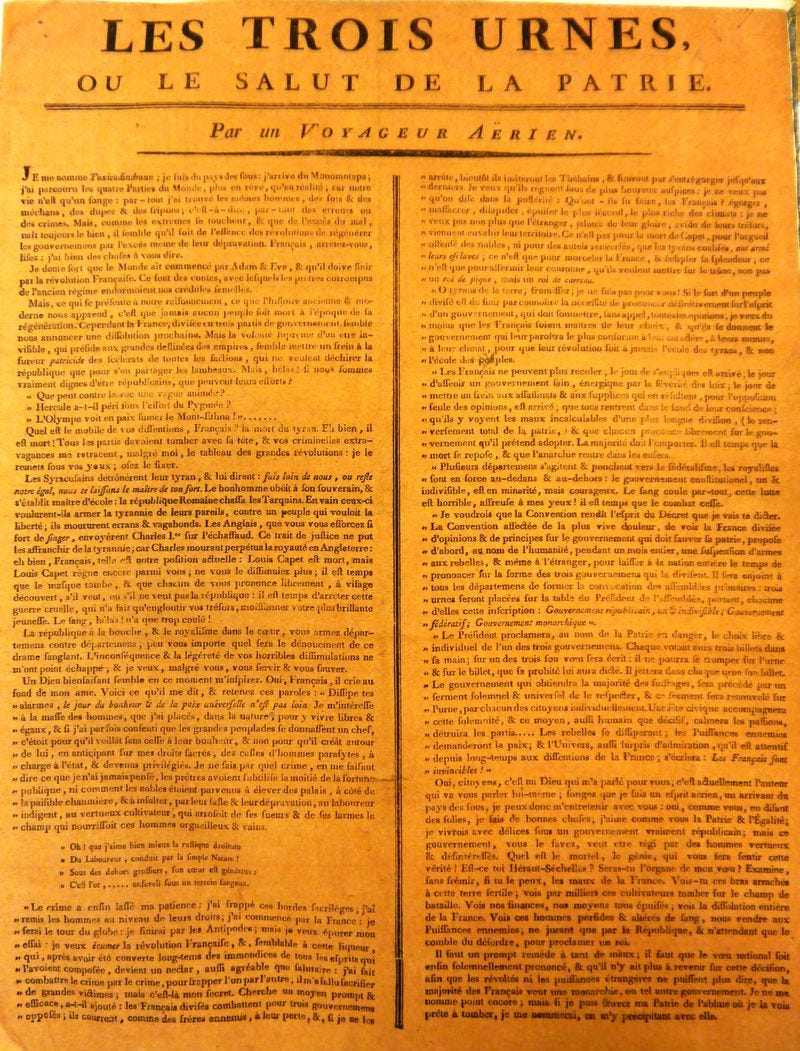
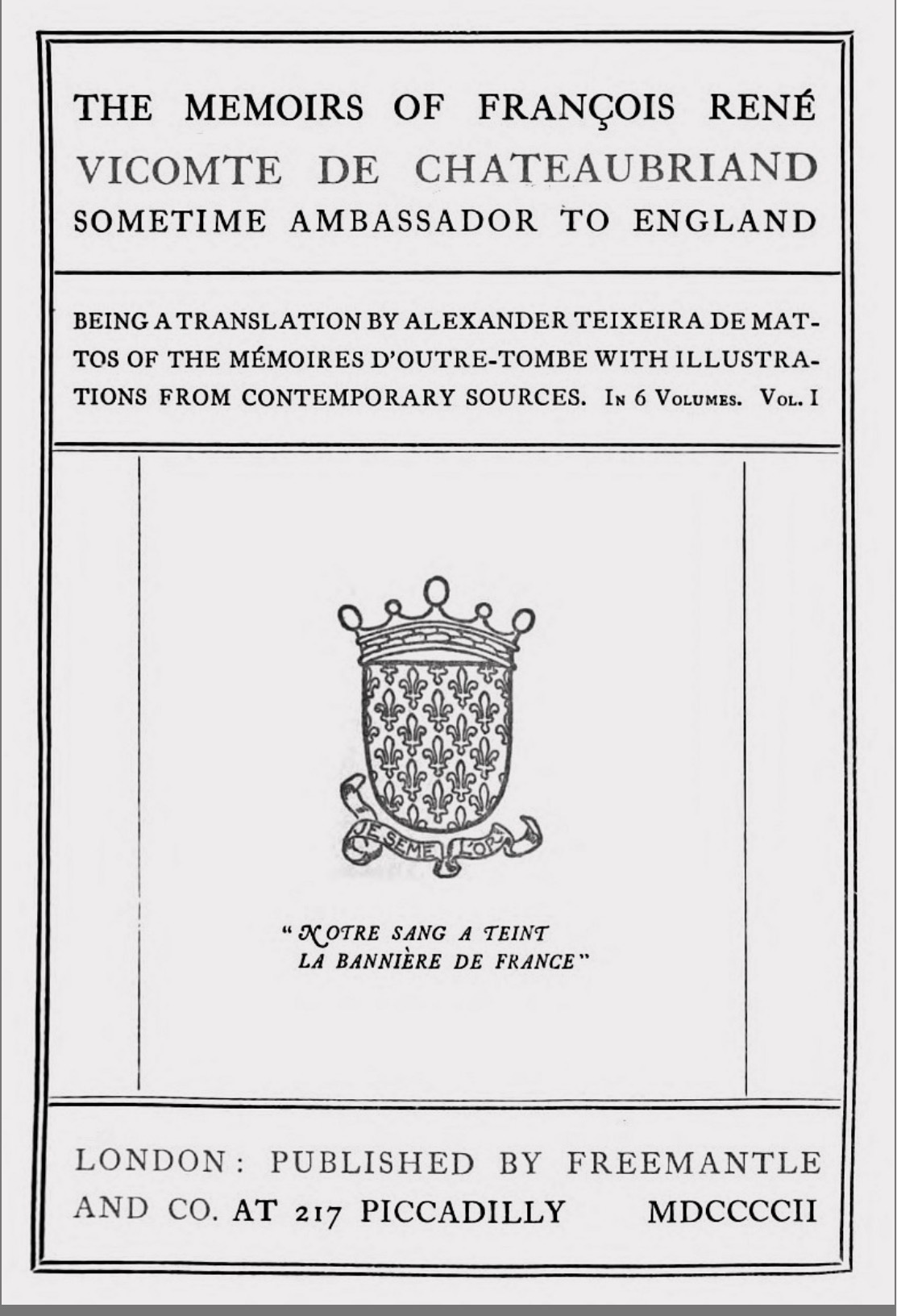
To Hilary Mantel’s A Place of Greater Safety, which I read in late 2025, I am presently grateful for a certain unity of purpose—insofar as the alacrity of amateurish enquiry can be mistaken for the nib of purpose, and insofar as anything can be said to hold unity in a non-writing writer’s mind—a unity of purpose that has sustained me, over the past few months, in a state of fascination with regards to the French Revolution; that has made me read half a dozen other books and countless Wikipedia pages, including, say, the one about Olympe de Gouges (née Marie Gouze), who penned a “Declaration of the Rights of Woman” in response to the “Declaration of the Rights of Man,” and who was later guillotined for publishing a poster in which she advised that “everyone examine their consciences”; that has made me feel that I know Robespierre most intimately, for surely only I see the tragedy in how a utopian of the temperament of a librarian, catapulted somehow to the acme of power, would suffer the most robust swooshes of epiphany in the banal truth that “virtue” has often relied on “terror”; that has made me take umbrage with people long dead on behalf of people long dead, umbrage with Chateaubriand, for example, who claimed that “there will remain but three men, attached to each of the three great revolutionary epochs: Mirabeau for the aristocracy, Robespierre for the democracy, Bonaparte for the despotism,” and umbrage on behalf of Georges-Jacques Danton, who is missed in this formulation, as Chateaubriand ignores how a reduction of revolutionary epochs must bring focus to the cardinal personalities of key transitions, transitions such as the all-important monarchy to no-monarchy transition in France, which Danton, more than anybody else, made possible through an almighty mix of valour and villainy; and, finally, a unity of purpose that has made me consider intensely, during the occasional taking of a view both wide and personal, my own ability to make novelistic use of histories that are closer to me, histories that are mine in every sense, histories such as of the time when the decision “to terminate the dynasty of Timour” in Delhi could plausibly be taken by “a board of London merchants sitting in a room in Leadenhall Street,” when “Nagpoor” and “Oude” and Satara and Jhansi became British territory “by simple lapse,” when the Nizam of Hyderabad just gave “Berar and other provinces to the exclusive sovereignty of the British,” basically the well-known epoch in which the events of a few rapid years compressed and compressed a spring only for it to release in 1857 and lead to “the most formidable military Revolt, perhaps, the world has ever seen,” also an epoch that is to me the same in drama and devastation and dastardliness as the French Revolution might be for a European, and for which I understandably look forward to committing wee oversights in the listing of my Mirabeaus and Robespierres and Bonapartes, though just to revert to Chateaubriand in this little fancy causes a glitch, for it makes me remember how after naming these three men Chateaubriand had added that “France has paid dear for [these] three reputations which virtue is unable to acknowledge,” and I begin to feel, in the sharpest philosophical sense, virtue’s incapacity to acknowledge most of history’s great men and women, and all at once the bubble around me is burst and history reveals itself as a confetti of theories and assertions, or, simply speaking, as an agglomeration of events that are blind to each other in the happening and lit by each other in the telling, and needless to add I am thus yanked out of all unified purpose, out of all concern with history and all concern with literature, definitely out of the question of “how does history become literature?”, and I find myself deep inside the travails of the rabidly contemporary, of lavish suits and sunglasses, of photo-ops on the Ganges, of mass dis-enfranchisement, and the mind, still to fully emerge from the form of recent exertions, arrives at seemingly nonsensical formulations (though it must be said that the mind tells more than it knows) like “Modiji for the aristocracy, Modiji for the democracy, Modiji for the despotism,” or like “here comes the ‘doctrine of lapse’ again,” or like “everyone examine their con sciences,” and on and on it goes, this adjournment of the aesthetic experience in the face of all-too-present amorality, till some meagre solace is finally found in the notion that, ultimately, virtue shall be unable to acknowledge this reputation for which India undoubtedly is paying dear, and a fresh bubble begins to form.
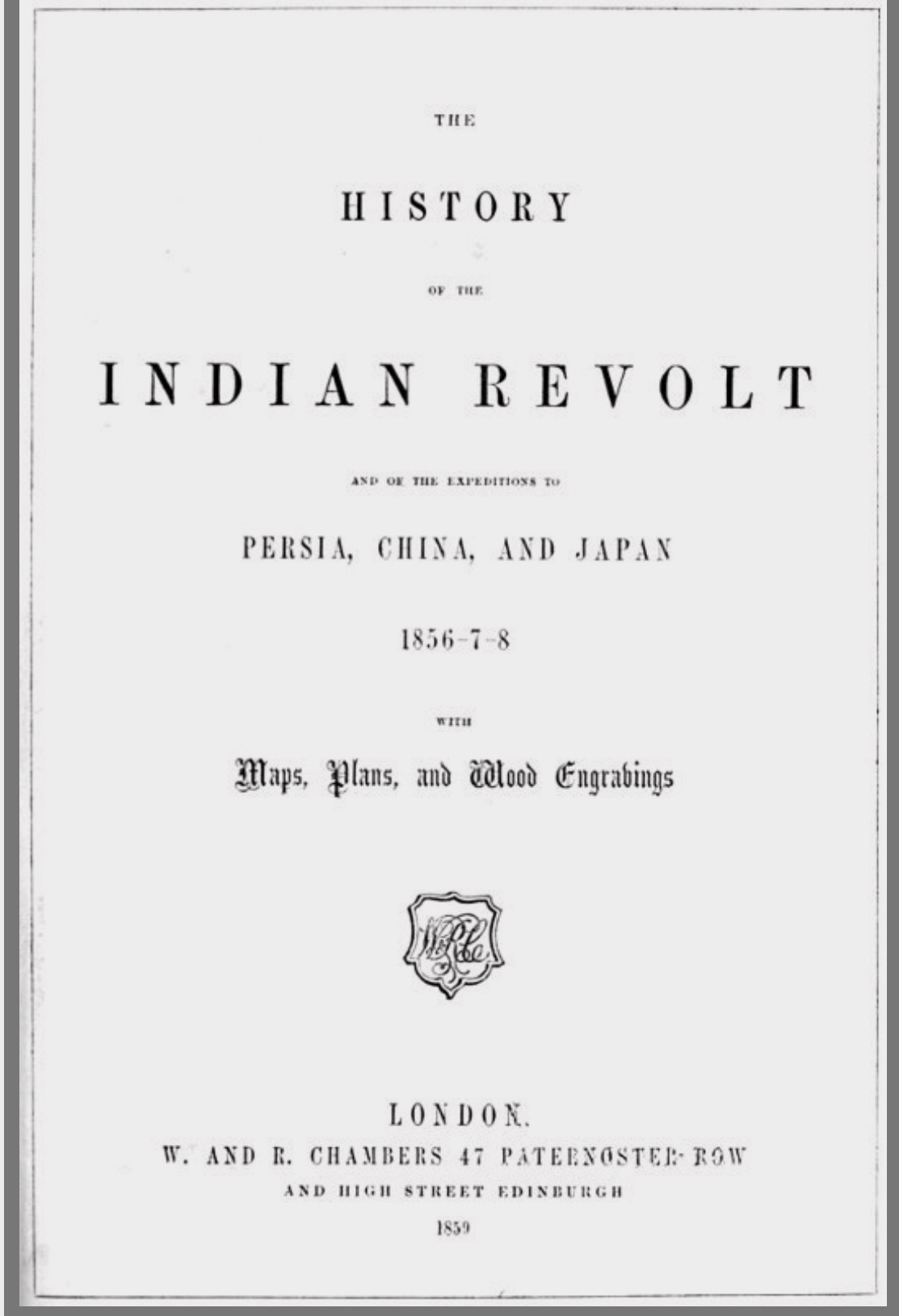
The quotations, wherever their authorship is not apparent, are from The History of the Indian Revolt and of the Expeditions to Persia, China and Japan, 1856-7-8, by George Dodd, available here.
The Chateaubriand quotations are from The Memoirs of François René Vicomte de Chateaubriand, sometime Ambassador to England, Volume 1 (of 6) by vicomte de François-René Chateaubriand, tr. Alexander Teixeira de Mattos, available here.
The Olympe de Gouges quotations are from her Wikipedia page.

This breathless deceptively simple personalised sweep of history - so very well done.
This series of yours is so hard Tanuj, seriously it is like taking a Master's course when I am a kindergartner.